Episode Three
The Internet and the Illusion of Endless Choice
The internet increases the number of people you can see much faster than it increases the number who are compatible, available and able to build with you.
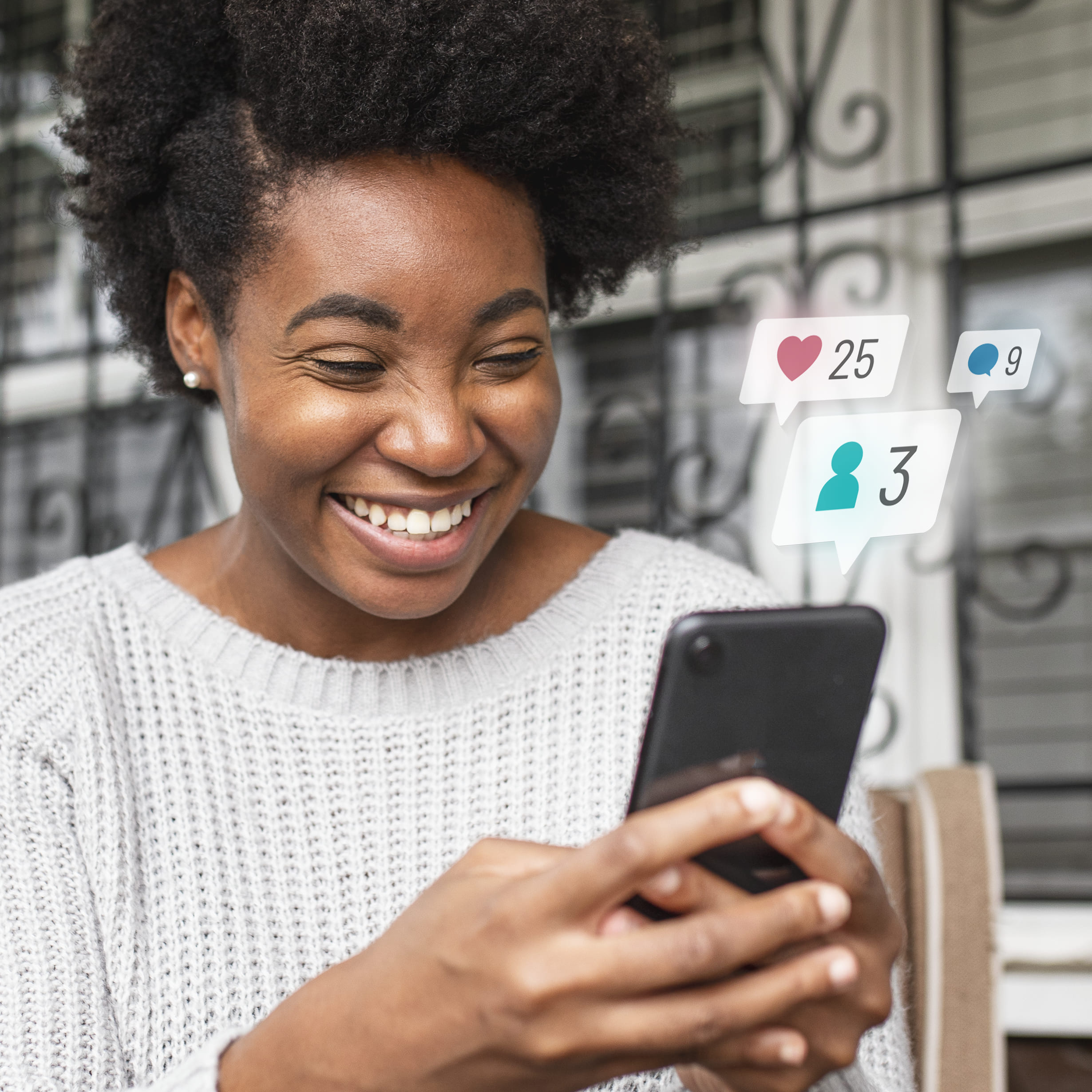
The internet did not invent attraction, comparison, jealousy or infidelity. It changed their speed, scale and visibility.
A person who once encountered potential partners through family, work, school, worship or friends can now scroll through hundreds of faces while lying in bed. They can remain in contact with former partners, observe strangers’ lifestyles and receive attention from people they may never meet. A relationship can be announced, interpreted and judged by an audience before the couple has decided what it means privately.
This creates real opportunities. People meet across towns, countries, professions, religions and social circles that would otherwise remain separate. Someone who is shy, geographically isolated or outside a dominant social group may find connection more easily online. Long-distance couples can maintain daily contact. People can state intentions and screen for important values before investing time.
But access to people is not the same as access to relationships.
The internet increases the number of people you can see much faster than it increases the number who are compatible, available, honest, interested and practically able to build with you.
The profile is a compressed person
A dating profile or social-media account performs an impossible task: it reduces a human being to visible signals.
Photographs show appearance, travel, friends, clothes and chosen environments. A biography shows wit, occupation, politics or faith. Followers and engagement suggest social value. Stories provide fragments of daily life. Together they create a sense of knowledge.
But the profile is not necessarily a lie. It is a selection.
Every person, online or offline, presents some aspects before others. Digital platforms simply make the selection easier to arrange and easier to mistake for completeness. A person may genuinely love travel and still be financially irresponsible. They may genuinely post affectionate messages about family and still have no boundaries with that family. They may support good causes publicly and behave selfishly in private. They may appear reserved because they dislike posting, not because they lack a social life.
The problem is not presentation. It is the speed with which the viewer fills the missing information.
A man sees a woman’s polished photographs, career and travel and imagines confidence, independence and sophistication. He has not yet discovered how she manages conflict, whether she is kind to service workers or what she expects from a partner.
A woman sees a man’s business content, gym routine and family posts and imagines discipline, provision and seriousness. She has not seen his debt, his emotional habits or how he treats women who no longer impress him.
Online attraction often begins as co-authorship. The profile provides fragments; desire writes the rest.
What is visible becomes what is valuable
Digital platforms rank what can be shown.
Appearance photographs well. Wealth leaves visual evidence. Travel, restaurants, fashion, fitness and social connection produce content. Patience during conflict does not. The ability to keep a promise when nobody is watching rarely becomes a reel. Financial discipline may look like nothing happening.
This does not mean people online are fake. It means some partner qualities are more compatible with platforms than others.
When selection begins through profiles, users may place greater weight on visible characteristics because those are the characteristics available. The platform quietly changes the question from Who can I build with? to Who makes me stop scrolling?
This helps explain why dating applications can feel brutally appearance-led even to users who sincerely value character. Character cannot be swiped at first sight.
Research on online dating has found that as people evaluate many profiles, they may become increasingly likely to reject later options, partly because satisfaction and perceived success decline during the process.13 Other studies complicate the idea that more choice is always harmful. The effect varies by design, user and context. The responsible conclusion is not that dating apps make commitment impossible. It is that repeated profile evaluation can train a filtering mindset that is different from getting to know a person.
A filter asks whether an option immediately meets a threshold.
A relationship asks what becomes visible through time.
Both are necessary. A person should not give unlimited access to everyone. But an environment built around rapid rejection can make ordinary ambiguity feel like evidence of deficiency.
The better person one swipe away
The most powerful illusion of online dating is not that there are many people. There are. It is that these people are available to you in the full sense of the word.
A displayed profile may be inactive, dishonest, uninterested, incompatible, geographically impractical, emotionally unavailable or seeking something entirely different. A match establishes mutual willingness to make one digital gesture. It does not establish attraction in person, shared values or capacity for commitment.
Yet the visual abundance can alter how people evaluate an actual partner. A minor frustration is compared not with the realistic alternatives available but with an endless stream of untested profiles. The current partner contains known flaws. The alternatives remain perfectly edited because life has not had the chance to expose them.
This is comparison between evidence and imagination.
The partner leaves dishes in the sink. The profile on the screen travels, reads, works out and appears emotionally intelligent. The profile has never had to share a bathroom, apologise, meet your family or decide who wakes up with a sick child.
Attractive alternatives can reduce commitment when people perceive them as genuinely available, a finding consistent with long-standing commitment research.14 Digital platforms make alternatives more visible, but visibility should not be confused with viability.
A follower is not an option.
A person who replies to stories is not an option.
A match who has not met you is not an option.
An ex who sends nostalgic messages but has not changed is not an option.
An option is a person with whom mutual interest, compatibility and practical possibility exist. The internet can provide access to this person. It also provides thousands of simulations.
Online attention is not relational power
Attention feels measurable online. Likes, matches, views, comments and messages arrive as numbers. They can create the impression that desirability has been objectively confirmed.
But attention has different costs.
Liking a photograph costs almost nothing. Sending a flirtatious message costs little. Maintaining a reliable relationship requires time, sacrifice, truth and the acceptance of limits. A person may attract enormous low-cost attention while having very few serious relational opportunities.
This distinction matters because people sometimes use online response to estimate the kind of partner they can secure. A woman receives hundreds of messages and concludes that she has hundreds of options. A man gets regular engagement from women on Instagram and assumes that commitment would be easy to replace. In reality, many contacts may be sexual, casual, opportunistic, geographically distant or unserious.
The mistake is not enjoying attention. It is pricing it as commitment.
Online attention can also make a person less willing to tolerate the ordinary vulnerability of choosing one person. Commitment closes alternatives. A platform is designed to keep alternatives visible. The tension is structural: the relationship asks you to invest in depth while the feed continues advertising breadth.
The relationship performed online
Couples have always performed relationships publicly. Weddings, family introductions, photographs and social events communicate status and belonging. Social media makes the performance continuous.
A relationship can now have an aesthetic: coordinated holidays, flowers, birthday posts, hotel breakfasts, matching clothes, engagement videos and captions about peace. These displays may reflect genuine joy. They may also become a standard against which private relationships are judged.
A person sees a friend receiving an elaborate surprise and wonders why their partner’s quieter effort is insufficient. Another pressures a partner to post them because visibility has become proof of seriousness. Someone remains in an unhappy relationship because the public version is admired. A breakup becomes not only loss but a collapse of personal branding.
The question Would I still want this relationship if nobody could see it? is useful because it separates private value from public return.
It does not mean relationships should be secret. Refusal to acknowledge a partner can be a form of ambiguity or disrespect. Public recognition matters in many relationships. The issue is whether posting is being used as evidence for qualities that exist only offline.
A photograph cannot confirm fidelity.
A caption cannot confirm safety.
A public anniversary cannot confirm that the couple has discussed money, children or resentment.
A private relationship can be unhealthy. A public one can be strong. Visibility is simply not the measure.
WhatsApp and the undefined relationship
For many Kenyans, digital intimacy is not primarily a dating-app experience. It develops through WhatsApp.
Two people begin talking daily. They share jokes, voice notes, photographs and small updates. They know when the other arrives home. They discuss work, family and fear. The rhythm resembles a relationship before the terms have been named.
Daily communication can produce genuine closeness. It can also create a dangerous assumption: because intimacy is increasing, intention must be increasing with it.
One person may experience the exchange as movement towards commitment. The other may experience it as companionship with no conclusion attached. Both can be sincere. The problem appears when neither asks the question because the answer might interrupt the pleasure.
Digital communication is especially good at sustaining ambiguity. A person can be emotionally present at selected times while avoiding practical inclusion. They can speak every night without introducing you to friends, discussing exclusivity or making plans beyond the next meeting.
COMPOSITE SCENARIO: The relationship in the phone
Kevin and Njeri communicate from morning to night. They have been intimate for a year and regularly spend weekends together. Njeri believes the relationship is “obviously serious” because of the frequency and depth of contact. Kevin has never called her his partner and changes the subject when marriage is raised.
Kevin may be using Njeri. He may also believe he has been clear through avoidance. Njeri may be reasonably interpreting intimacy as progression, but she has allowed behaviour that feels committed to substitute for an agreed intention.
The central question is not whether the connection is real. It is whether both people assign it the same meaning.
The surveillance trap
Social media produces information that previous generations did not have: who followed whom, who liked a photograph, when someone was online, which former partner viewed a story and whether a message was read.
This information feels factual but remains open to interpretation.
A like may be flirtation, habit, friendship, networking or nothing considered at all. An online status may show that an application is active, not that the person is ignoring you deliberately. A new follower can be a colleague or an alternative partner. The ambiguity invites monitoring.
Longitudinal research has linked social-media jealousy with increased electronic partner surveillance and lower later relationship satisfaction.15 This does not mean every worried person is irrational or that monitoring creates all problems. Partners sometimes behave deceptively online. The finding suggests that jealousy can become self-reinforcing: ambiguous information produces checking, checking produces more ambiguous information and the relationship becomes organised around investigation.
There is an important boundary here. Secretly accessing accounts, installing monitoring software or controlling a partner’s communications is not ordinary reassurance-seeking. It can become coercive surveillance and abuse.
Trust should not require blindness. It also cannot be built through permanent inspection.
Former partners never fully leave the room
Digital platforms preserve access.
An ex can remain one message away. Photographs, conversations and mutual contacts continue. Algorithms may resurface memories. A person can monitor an old partner’s life without speaking to them. This complicates emotional separation and creates a reserve of possible contact during conflict or loneliness.
Not every connection with an ex is inappropriate. Co-parenting, friendship and shared social circles may require it. The issue is whether boundaries are discussed or left to private interpretation.
For some people, continued digital access makes commitment feel less final. They can invest in the current relationship while maintaining emotional escape routes. For others, a partner’s contact with an ex becomes evidence of danger regardless of context.
The platform does not decide the meaning. The couple must.
Algorithms make exceptional lives look ordinary
A person can now see more beauty and wealth in one evening than previous generations encountered directly in years.
Algorithms do not present a representative sample of life. They reward content that holds attention. Exceptional bodies, homes, weddings, gifts and holidays therefore appear repeatedly until they begin to feel normal. A viewer compares a real partner’s ordinary income with a concentrated feed of luxury. They compare an actual body with selected bodies optimised by lighting, editing, surgery and repetition.
The result is not always envy. It can be a quiet recalibration of expectation.
A normal date feels unambitious. A decent home feels temporary. A thoughtful gift appears inadequate because it cannot be posted impressively. The partner is evaluated partly by their ability to produce content.
Again, the answer is not to declare every aspiration false. People are allowed to want beauty and comfort. The useful question is whether the desired life is being evaluated as a financial and relational project or merely consumed as an image.
Who earns it?
Who performs the labour around it?
What debt supports it?
What time does it require?
What kind of partner is compatible with it?
Digital tools reveal; they do not replace judgement
The internet can help people choose better. A profile can reveal incompatible politics, religion, smoking, parenting goals or lifestyle. Online conversation can expose dishonesty or disrespect before a meeting. Friends and communities can warn one another about dangerous behaviour. Distance can be bridged.
But digital access cannot remove the need for time and observation.
The person on the screen must eventually become the person in ordinary life. They must disappoint you in small ways, handle your limits, meet people who cannot advance them, discuss money and remain recognisable when nobody is documenting the moment.
A platform is good at presenting candidates. It is poor at certifying partners.
The internet’s most convincing illusion is that visibility equals knowledge. It does not. It gives us more information and more opportunities to imagine.
The discipline of modern dating is therefore not to reject technology. It is to remember what the screen has not shown.
A question to sit with
Would you still want this relationship if nobody could see it?